
How Much Battery Storage Do You Need?
If you are considering battery storage for your home or business and don’t want to waste £1000s of pounds on the wrong solution, then you have come to the right place. Here, we will explain the 4 factors that you need to consider to ensure you have the perfect amount of battery storage!
What determines how much storage you need?
A typical 5 kWh battery will cost around £1800 when installed with solar and closer to £3000 when installed by itself. This is no small amount, so we need to make sure we aren’t buying too much storage that we won’t utilise or too little storage so that we don’t get the savings we are looking for. So, let’s look at the factors determining the sweet spot of battery storage for you and your home.
Your Solar Production
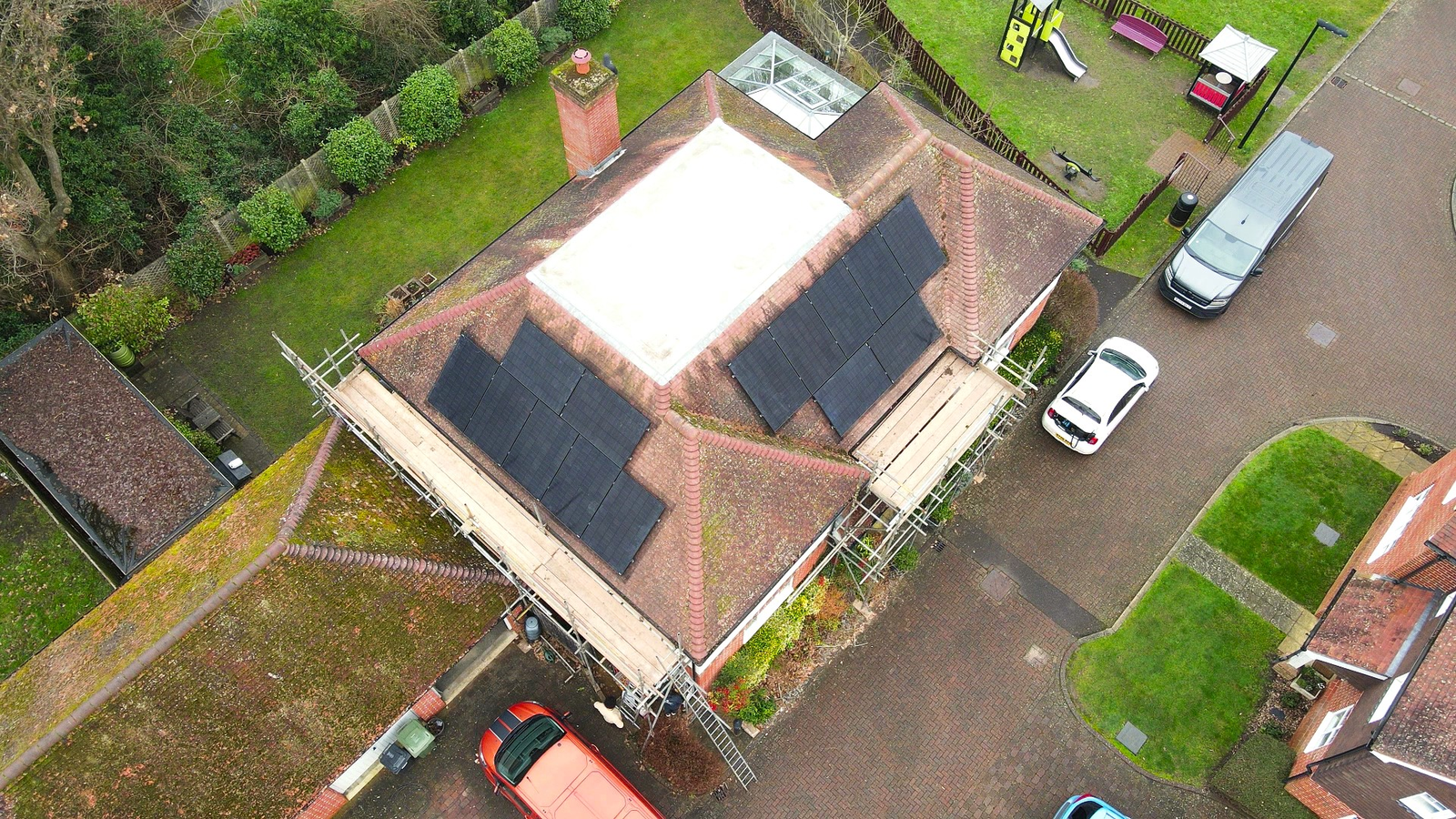
This one is simple; if you have a lot of solar production, you probably will benefit from a higher capacity battery. When we are producing more power than we need, it’s great to be able to store that for use later in the day when production is lower or to sell to the grid at peak times, as we discuss in our blog on “the point of battery storage”. However, this isn’t always the case. If your solar production is high but your daily usage is also high, then there might not be much excess to store for later. What we really care about is how much of your solar production you aren’t using directly when it’s produced.
Your Daily Energy Usage
Probably the most important factor that determines the size of the battery you need is your daily energy usage. The more energy you use, the larger the battery you’ll need. This is for 2 reasons:
- If you have a high daily usage, you likely have more evening usage, which you want to cover with excess solar production from daylight hours.
- Secondly, if you want to load shift during winter when your solar production is lower, you will need a larger battery to cover your daily needs. Load shifting is when you charge your battery when energy is cheapest and then use it to power your home when energy prices are higher.
To optimise battery capacity, we have to predict and balance your solar production and energy usage as best as possible. This can be difficult as both your solar production and daily consumption change from day to day.
Back-up power
When energy security is lower, being able to power your home during power outages is a game-changer. If you’re looking for backup power, you need to think about how long you want the battery to power your home. Do you need to power essential devices for a few hours or run everything for a few days? This is where you’ll need to consider your critical loads (like lights, fridge, and heating) versus everything in the house. Which pathway you choose to go down will help determine not just battery capacity but also its required output.
The extra ways you can utilise your battery
How you plan on using your battery is the last and probably most important factor we need to consider. Whether you want to load shift, peak-time sell, or energy trade will affect the size of the battery you need. For more information on what these are and how you can utilise them to maximise your savings, check out our blog here.
Conclusion:
As you can see, working out what size battery storage you need or want is not a simple task. We all want to maximise our savings for as little up-front cost as possible, but to do so takes a lot of work and calculations. This is why it is important to find a solar designer who can take you through the process and model all the different options and variables for the various energy tariffs available to you.