
Residential Solar Project in Woking
Check out the solar PV and battery installation we completed for Ayo and Kemi in Woking.
This Solar PV and battery system was installed as part of a new build house in Woking. This system aimed to reduce the high electricity bills for heating the house, which were provided by 2 ASHPs. They also needed a partial home backup system to ensure important medical equipment could always be used.
Their Solar PV and Battery System
This is an overview of the Solar PV system we installed on this Woking home.
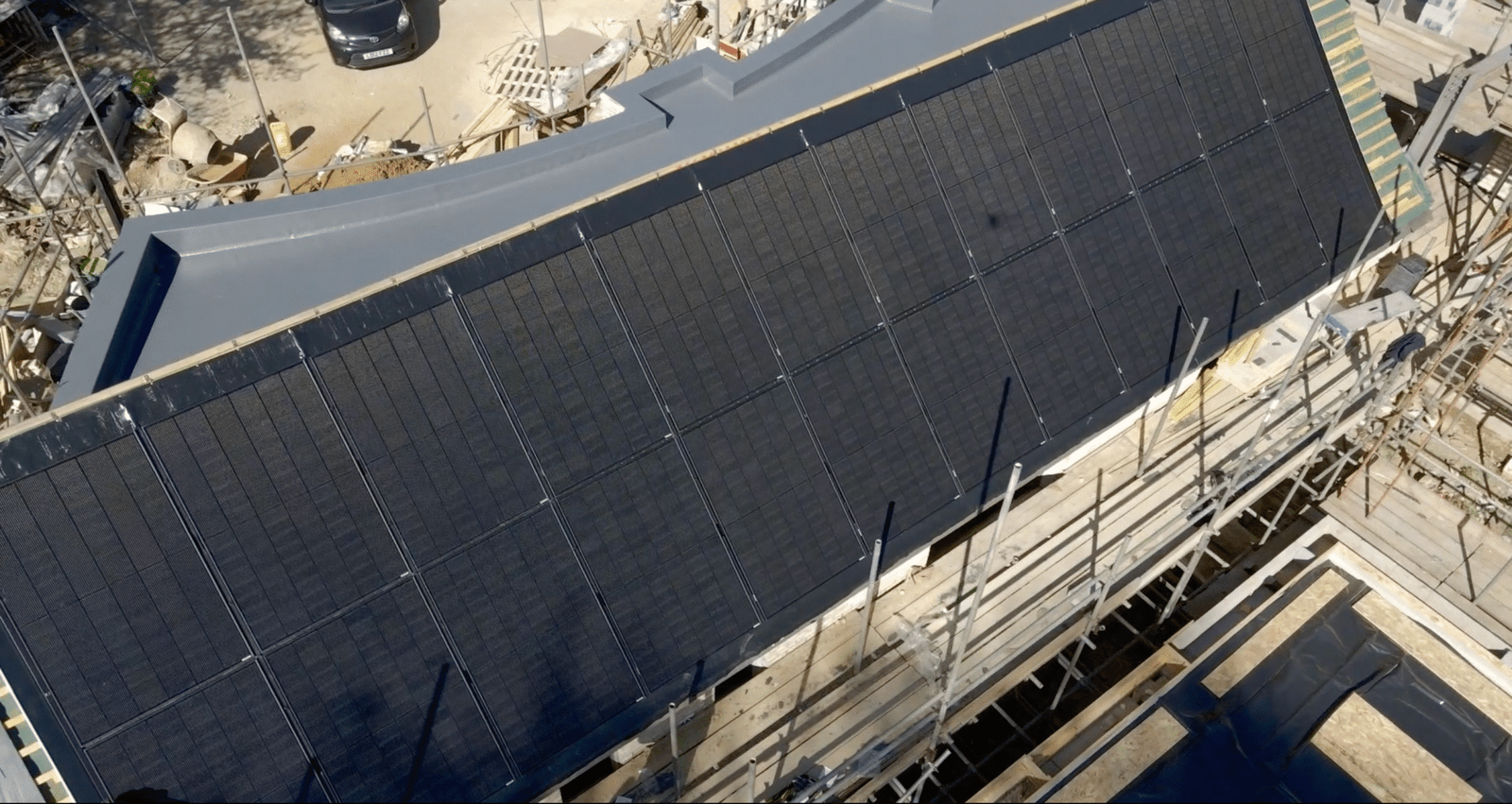
We installed 24 x 440W Jinko Solar panels on the main south-facing roof. We used the GSE in-roof system, which seamlessly integrates into their slate roof to provide a sleek finish.
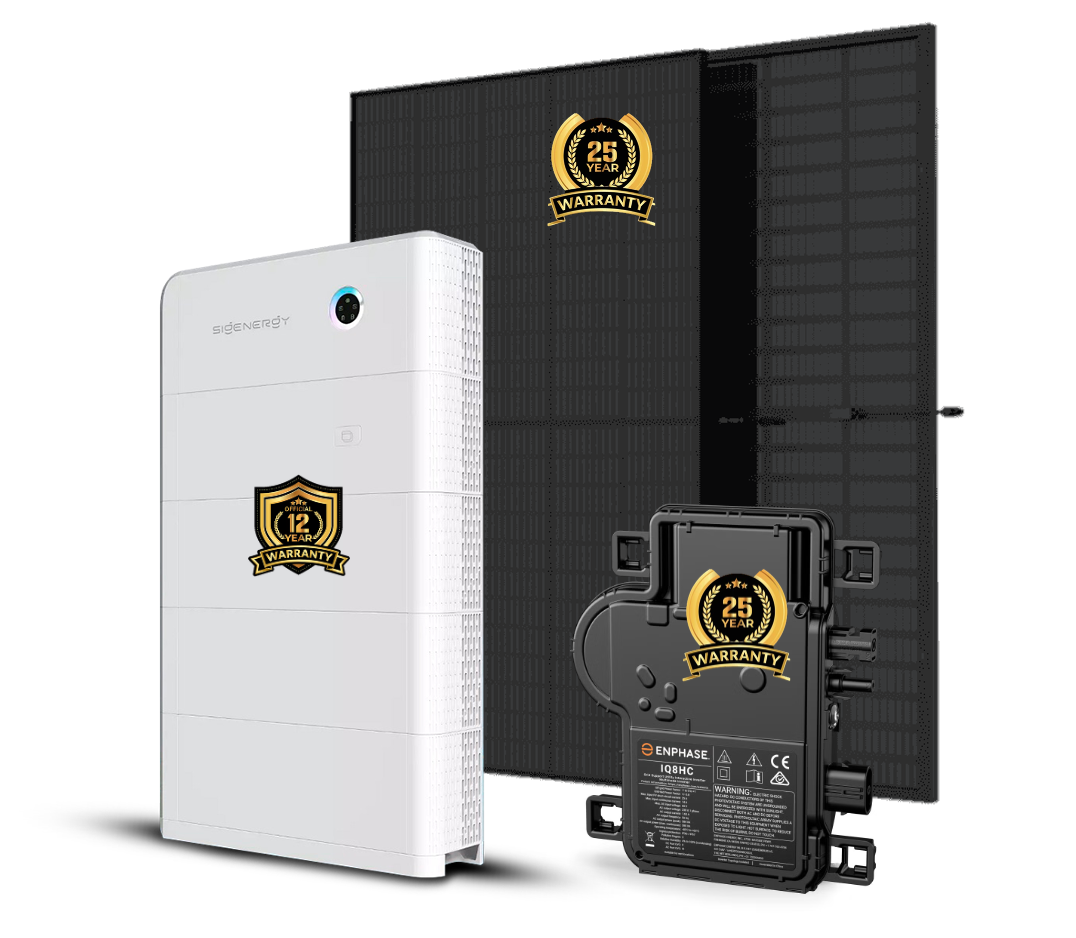
This 10.56 kWp system is estimated to produce 10’252 kWh annually through its 24 Enphase IQ8HC microinverters, which come with a 25-year warranty to match the panels.
This is paired with a SigEnergy SigenStor 12kW inverter with 30kWh of battery storage and the 3 Phase HomePro Gateway, which provides UPS backup
To complete this system, we are installing two 7Kw Zappi EV Chargers.
A Detailed Look at their System
The system we designed for this home is a bit unique because of the unique needs of the client. So let’s take a look at why we made the decisions we did and how this system works together to serve this household best.
In-Roof System
Micro-Inverters, when there is no shade?
Typically, micro-inverters are only really used when you are dealing with shade or if you have a complicated roof layout with several orientations and angles, but this house has neither of these things. So why did we install micro-inverters? Microinverters have a lot of benefits that make them a great option, even when you don’t need their shade mitigation.
Their 25-year warranty matches the warranty of most solar panels, ensuring that your inverter won’t need to be replaced during your panels’ lifetime, reducing the system lifetime cost. The panel-level monitoring and optimisation help mitigate any differences in panel degradation or dirt build-up while helping you notice any issues with any of your panels sooner. Since micro-inverters convert DC to AC at the roof level, this home doesn’t have any DC cabling with the building envelope.
Partial Home backup
We have paired these microinverters with the SigEnergy SigenStor, which is a stackable inverter and battery system. This system looks great, is packed with a ton of smart features and has a warranty extendable up to 15 years. These are all great reasons to go for a Sigenergy system; however, we chose this system because of its backup capabilities. This 3-phase home needed a partial home backup to ensure that vital healthcare equipment would remain running in the event of a power outage. The UPS (uninterrupted power supply) capabilities of the HomePro Gateway 3P mean that this home can switch to battery storage and keep its vital circuit running without anyone being able to tell the change happened. Additionally, the Smart Port allows us to connect the microinverters to the gateway so that the solar generation can help support the house even during outages.